Kann das EU-Konjunkturprogramm die Folgen der Finanzkrise abmildern?
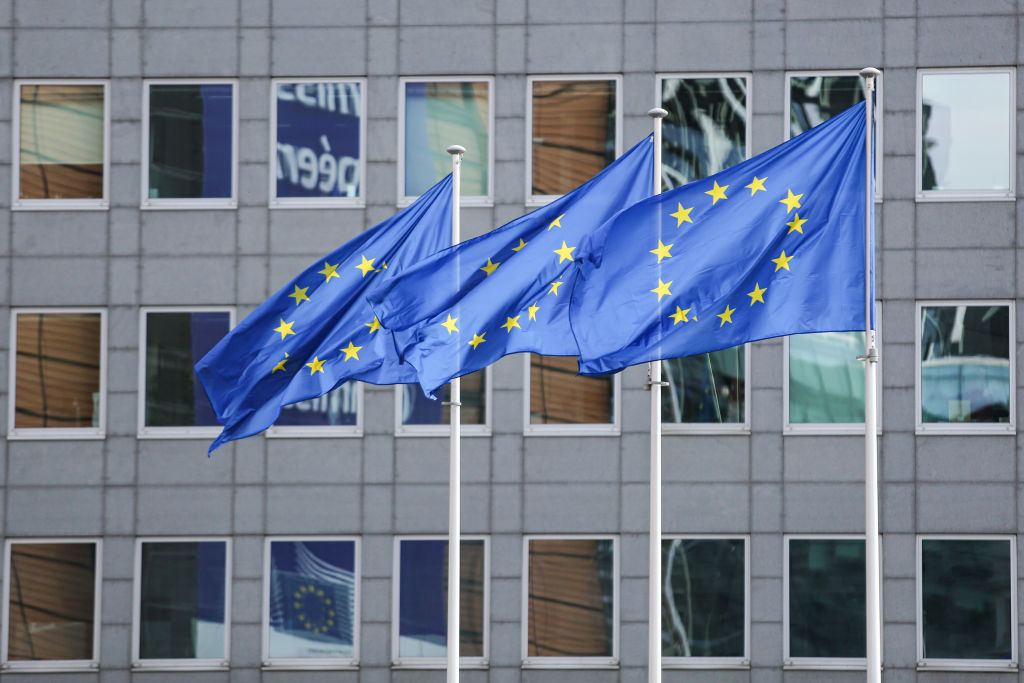
Die Wirtschaftslage bleibe unruhig und es sei unklar, ob das Konjunkturprogramm [der EU] ausreichen werde, um die Auswirkungen der Finanzkrise abzumildern, meinen Fabian Zuleeg, Senior Policy Analyst, und Hans Martens, Geschäftsführer, des Think Tanks European Policy Centre (EPC) in einem Kommentar, der im November 2008 veröffentlicht wurde.
Die Wirtschaftslage bleibe unruhig und es sei unklar, ob das Konjunkturprogramm [der EU] ausreichen werde, um die Auswirkungen der Finanzkrise abzumildern, meinen Fabian Zuleeg, Senior Policy Analyst, und Hans Martens, Geschäftsführer, des Think Tanks European Policy Centre (EPC) in einem Kommentar, der im November 2008 veröffentlicht wurde.
Even though no one is claiming that Europe can escape the current downturn, the paper states that the package „might help ease the pain“. It could make the coming recession „shallower and shorter by giving a counter-cyclical impulse, which could prevent a downward spiral of low confidence leading to reduced investments,“ they argue.
However, the EPC writers admit that the EU has „few competences to act“ in the public finance sphere, primarily because taxation and spending remain „firmly in the hands of the member states“. For them, this is a „significant problem“: while „almost everyone agrees that a decisive and coordinated European response is necessary, member states will not countenance letting a strong Commission direct spending of national funds or set tax rates“.
Nevertheless, the commentators concede that there are „some levers the EU can use in the current crisis,“ recalling its ability to uphold the principles which underpin the single market „through the application of procurement, state aid and competition rules“. The Commission should „use these tools to put its stamp on member states‘ actions, ensuring that economic policies follow key principles, including cross-border competition and long-term fiscal consolidation,“ they argue.
Furthermore, the EU executive should invest in „human capital and active labour market policies aimed at getting people back into work as well as encouraging innovation and competitiveness,“ the authors add.
On top of this, member states „need to support structural reform to improve the delivery of public services and to build solid foundations for the future rather than trying to preserve the economic structures of the past,“ the writers insist. For example, „spending on specific sectors should be conditional on businesses preparing for the future ‚green knowledge‘ economy“.
In light of these arguments, the commentators conclude that the stimulus package contains many of the right policy recommendations, but maintain that the key test will be how they are implemented.
Moreover, „ensuring sound long-term economic policies while at the same time convincing member states to support and implement the package in word and deed […] is likely to be the main challenge for the Commission between now and the end of its mandate,“ they add.