Du point de vue des Etats-Unis : que faut-il attendre de la présidence française de l'UE ?
Selon Justin Vaïsse de la Fondation Robert Schuman, reste à savoir si la présidence française de l'UE du président "Sarkozy l'Européen" sera une réussite.
Selon Justin Vaïsse de la Fondation Robert Schuman, reste à savoir si la présidence française de l’UE du président « Sarkozy l’Européen » sera une réussite.
The June paper claims the « temptation is to use the presidency to aggressively promote one’s country-specific interests rather than act in the European interest, » questioning whether the French president will remain the self-styled « Sarkozy the European » or become « the hyperactive defender of French interests ».
Vaisse outlines the following main priorities to be addressed by Nicolas Sarkozy:
- Relaunching European Defence: Sarkozy’s will to strengthen the European Security and Defence Policy (ESDP) will encounter two main « obstacles », says the author. The first problem is the way it is perceived by France’s European partners as being « built against NATO ». Thus the French President plans to make it clear that the policy’s intention is to « give the EU the ability to contribute to global stability and ensure its own security » while ensuring that NATO and the ESDP « are in no way competitors », the author reports.
Vaïsse believes the capacity issue is more serious as « most Europeans just don’t pay enough for their security ». To convince other EU member states, Sarkozy intends to establish « permanent structured cooperation » on defence which would involve « binding commitments », writes Vaïsse, stating: « There is no doubt that Nicolas Sarkozy will be attacked at home for giving too much to NATO and America, without getting enough in return ».
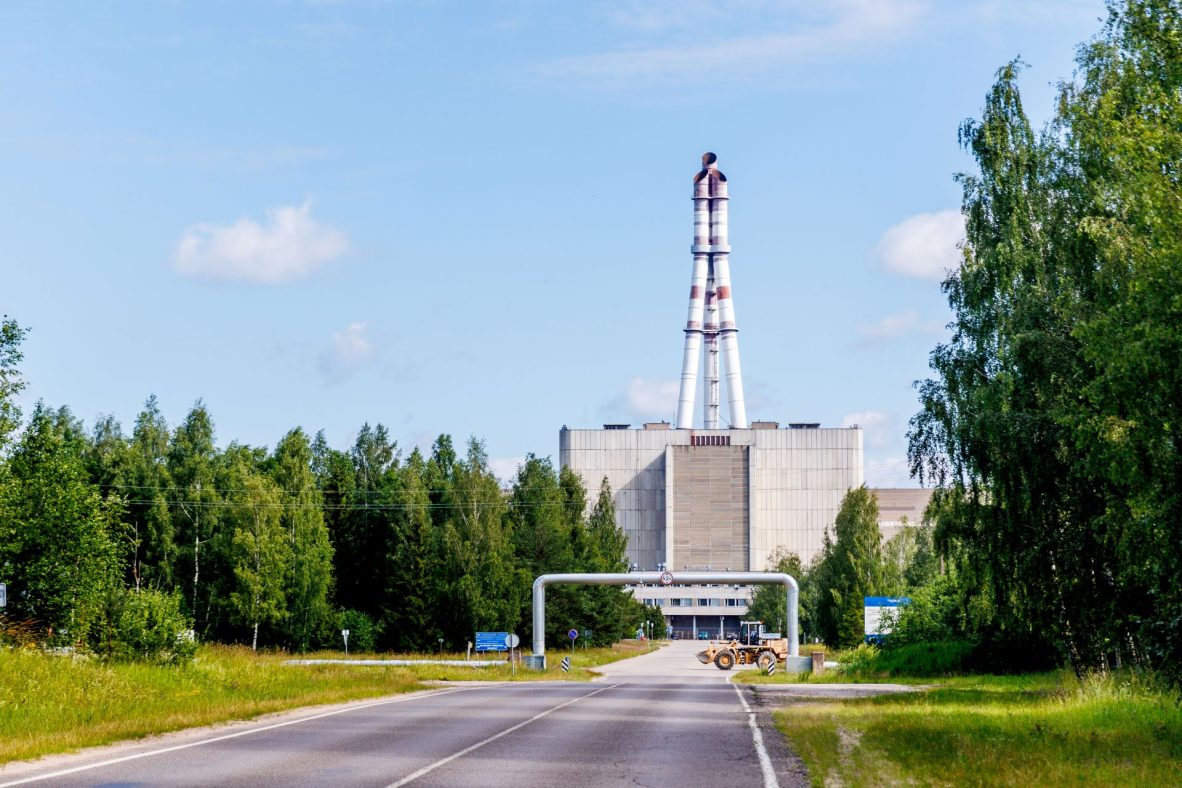
- Energy and climate issues: When it comes to the national objectives set by the EU to increase the share of renewable energies, France and other member states « disagree » with the Commission. Vaïsse questions whether nuclear energy should be classed as ‘clean’ energy.
- CAP ‘Health Check’: Considering the changing international context as signified by food scarcity and rising prices, the CAP Health Check for 2008-2013 will take place under Sarkozy’s Presidency, believes the author. France’s « community preference » in agriculture, seen as « hidden protectionism », casts doubt over the direction he will take, adds Vaïsse.
- Tightening immigration policy: The main issues here are the establishment of a common « asylum policy for all 27 member states, » « increasing cooperation on fighting illegal immigration » and facilitating an influx of high-skilled workers.
The paper concludes that « the European construction presents a dilemma » for France because « on the one hand, it extends French reach and allows Paris to attain a critical mass », but « on the other hand the deeper France integrates, the less French it becomes and the more compromises it needs to accept for a greater collective good ».