La mondialisation change l'opinion publique dans l'UE
D'après une analyse de l'Eurobaromètre 67 (avril/mai 2007) menée par TNS, les forces de la mondialisation changent la façon dont les Européens perçoivent leurs pays, l'UE et le monde.
D’après une analyse de l’Eurobaromètre 67 (avril/mai 2007) menée par TNS, les forces de la mondialisation changent la façon dont les Européens perçoivent leurs pays, l’UE et le monde.
The 2001-2006 era marked a « troubled cycle » for Europeans, believes the author. The « familiar Europe was vanishing, » to be replaced by a « world full of opportunities, » but also « full of threats ». September 11, EU enlargement and the Iraq crisis and its fallout for EU member states, as well as French and Dutch rejection of the constitutional treaty and accelerating population decline all contributed to the turbulence, they argue.
The key change in European public opinion during this period was growing awareness of the influence of globalisation. Europeans are increasingly aware that the current forces at work in the world are leading to a redistribution of power and changes which « affect their lives for better or worse ».
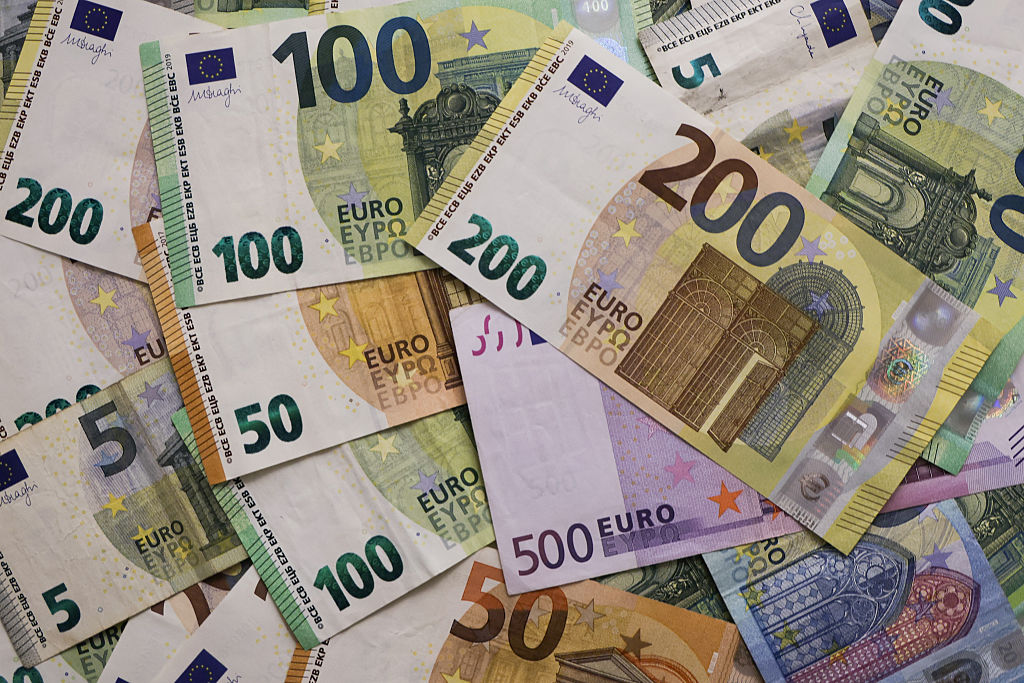
A good example of this divide was the changeover to the euro. TNS believes that while the new currency is « the pride of many Europeans, it is seen by others as having led to an increase in the cost of living ».
The same applies to the expansion of the EU from 15 to 27 countries. « This second major decision created the impression of a globalised Europe, » states the analysis. Enlargement, which « embodied a very ambitious project implemented by Europe’s leaders, was perceived as a serious threat by European public opinion ». As a result, « Europeans in the old EU 15 countries did not have time to weigh up the advantages and political, economic and moral reasons for enlargement ».
Despite this, support among Europeans for the EU has not fundamentally weakened, the TNS report reveals. Some 69% of those polled in Eurobarometer 67 are « optimistic » about the EU’s future. « The restatement of this optimism in such an unfavourable context is certainly the most noteworthy fact. »
The reasons for these changes in European public opinion are related to how EU citizens perceive European integration. In the 1945-1992 period, the European construction was justified in the minds of Europeans on three grounds:
- The Union brought peace between the nations of the old continent;
- The Union guaranteed the democratic nature of member states’ political regimes;
- The Union contributed to the economic prosperity of its member states.
However, these justifications « lost part of their relevance » between 1992 and 2006, claims the analysis. The terrorist risk has « put the spotlight back on the question of political violence at the heart of a continent which thought that it had rid itself of this risk, » it maintains.
Meanwhile, the idea of democracy in the EU has been weakened by the perception among many Europeans that the Union itself takes decisions in an inadequately democratic way.
Finally, economic prosperity « attracts criticism on the grounds that the EU is the cause of economic and social regression » after opening up its economies to globalisation.
EU citizens believe the Union « once again offers hope for the future » and its institutions and policies give it « the strength and means » to « avoid the risks » and « reap the benefits » of globalisation, the analysis concludes.