Wie das Internet die Tagesordnungen von Regierungen verändert
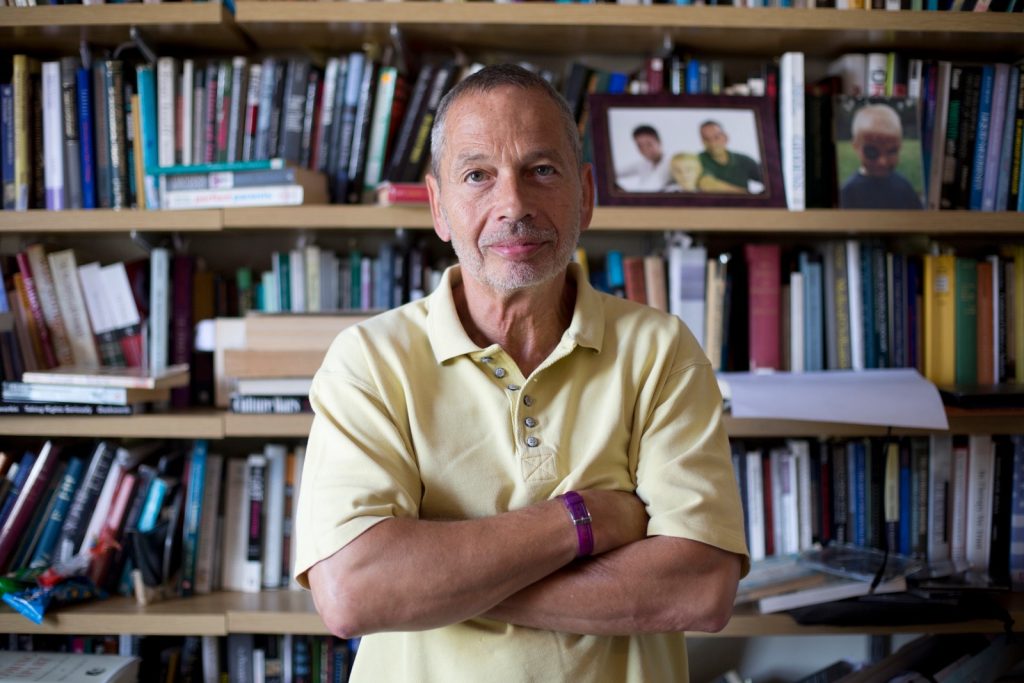
In seinem Blog schreibt Žiga Turk, ein Professor an der Universität von Ljubljana, ehemaliger slowenischer Minister und derzeitiger Generalsekretär einer Reflexionsgruppe zur Zukunft Europas, dass die Welt in einer Übergangsphase von einer Industrie- und Informationswirtschaft zu einer „konzeptuellen Wirtschaft“ sei, dessen wichtigste Quelle Talente seien.
In seinem Blog schreibt Žiga Turk, ein Professor an der Universität von Ljubljana, ehemaliger slowenischer Minister und derzeitiger Generalsekretär einer Reflexionsgruppe zur Zukunft Europas, dass die Welt in einer Übergangsphase von einer Industrie- und Informationswirtschaft zu einer „konzeptuellen Wirtschaft“ sei, dessen wichtigste Quelle Talente seien.
The conceptual economy will change how governments work, argues Turk, reflecting on „the role of government in the digital society of 2025“.
„An increasing number of people“ are able to show their talents, says Turk, but „the game is how to make use of all this talent,“ he explains.
As talent is „empowered by information and communication technologies,“ governments should first of all let „people and individuals“ decide. Government should not be a „decision-making body“, but a „coordination platform among stakeholders“. It should „coordinate“ rather than „command or control,“ Turk argues.
Then, „when government has to make decisions, it should do so in an open way“ by providing „a platform for reaching decisions and agreements among stakeholders,“ he writes.
According to Turk, „political systems follow communication technologies“ as the better communication is, the more people are involved.
„Governments must take steps to support this conceptual economy,“ Turk concludes, namely by:
- Creating, attracting, retaining and empowering talent;
- Providing a technical infrastructure (Internet for all) that encourages creativity;
- Providing law and order, and;
- Considering what kind of intellectual property rights are most appropriate in an economy that is increasingly de-materialised.